



21
Dec
Hearing some noises from Car? Lets us help you fix those.
Your car is trying to tell you something. That squeal at the traffic lights, the grinding when you turn, or that rhythmic ticking in the morning isn’t just annoying background noise—it is your vehicle screaming for help. Understanding these car warning sounds is crucial for your safety.
Ignoring these car warning sounds can lead to severe consequences for your vehicle’s health.
At JustFix Automotive in Sunshine North, we hear these pleas daily. We often hear customers say, “It’s been making that noise for weeks, but I thought it would go away.”
Here is the hard truth: Mechanical noises never go away on their own. They only get louder, and the repairs only get more expensive.
In this edition of our Car Care Series, we are decoding the language of your car. We will explain exactly what those squeaks, bangs, and thuds mean, how urgent they are, and how much money you can save by acting fast.
Familiarizing yourself with common car warning sounds can help you diagnose issues early.
Awareness of these car warning sounds can prevent costly repairs and ensure your vehicle operates safely.
1. Braking Noises: Squealing vs. Grinding
Your brakes are your primary safety system. They are designed to make noise before they fail.
The High-Pitched Squeal
-
The Sound: A sharp screech when you lightly press the brake pedal.
-
The Cause: Your brake pads have hit the “wear indicator.” This is a small metal tab designed to scratch the rotor to warn you that your pads are low.
-
Urgency: 🔴 High. You have roughly 500–1,000km of safety left.
-
The Cost: A simple pad replacement ($250–$450).
In summary, always pay attention to car warning sounds, as they can indicate serious issues that need immediate attention.
Always remember, being proactive about car warning sounds can save you time and money in the long run.
The Metal-on-Metal Grind
-
The Sound: A horrible, rough scraping sound that you can feel through the pedal.
-
The Cause: You ignored the squeal. The pads are gone. You are now braking with metal backing plates against metal rotors.
-
Urgency: 🔴🔴 CRITICAL. Stop driving. Your braking distance is compromised, and you are destroying expensive components.
-
The Cost: If you drive on this, you destroy the rotors and calipers. The bill jumps from $300 to over $1,200.
2. Engine Bay Noises: Belts, Ticks & Knocks
The engine bay is noisy, but specific sounds indicate expensive failures in progress.
The “Morning Squeal”
-
The Sound: A loud screech for 3-5 seconds when you start the car on a cold morning.
-
The Cause: A loose or worn Drive Belt (Serpentine Belt). The rubber is slipping on the pulleys.
-
Urgency: 🟡 Medium. If this belt snaps, you lose power steering, battery charging, and engine cooling instantly.
The Rhythmic Ticking
-
The Sound: A fast tick-tick-tick that speeds up when you rev the engine.
-
The Cause: Usually low oil pressure or a “Sticky Lifter.” It can also be a sign of a timing chain tensioner failing.
-
Action: Check your oil level immediately. If it is full, book a diagnostic scan.
The Deep Knock (The “Death Rattle”)
-
The Sound: A heavy, deep metallic thud from deep inside the engine.
-
The Cause: Rod Knock. This means internal engine bearings have failed.
-
Urgency: 🔴🔴🔴 STOP IMMEDIATELY. Do not drive another meter. Driving with rod knock will put a hole in your engine block. Call a tow truck.
3. Suspension & Steering: Clunks & Groans
If your car sounds like an old mattress going over speed bumps, your suspension is tired.
The Speed Bump “Clunk”
Identifying suspension-related car warning sounds is essential for maintaining vehicle safety.
-
The Sound: A solid clunk or knock when going over bumps or driveways.
-
The Cause: Worn Suspension Bushings or Control Arms. The rubber has perished, allowing metal to hit metal.
Listening for unusual car warning sounds helps you address potential issues before they escalate.
-
The Result: Poor handling and rapid tire wear.
The Clicking Turn
-
The Sound: A rapid click-click-click when you turn the steering wheel fully (like parking).
-
The Cause: A broken CV Joint. The rubber boot has torn, grease has escaped, and the joint is grinding itself to death.
Regular maintenance can minimize the occurrence of alarming car warning sounds.
-
The Fix: Catch it early, and we replace the boot ($200). Wait too long, and we replace the whole axle ($600+).
The Highway Hum (The Drone)
-
-
The Sound: A constant drone or growl that gets louder with speed. It changes pitch when you change lanes.
-
The Cause: A Wheel Bearing is failing.
-
Urgency: 🔴 High. A seized wheel bearing can cause a wheel to lock up or detach at highway speeds.
-
4. Fluids & Leaks: The Hissing Sound
The Steam Hiss
-
-
The Sound: A loud hiss from under the bonnet, often accompanied by steam or a sweet smell.
-
The Cause: A burst radiator hose or cracked radiator. Coolant is spraying onto the hot engine.
Knowing the significance of various car warning sounds can empower you to take swift action.
-
Urgency: 🔴🔴 CRITICAL. Pull over safely and turn the engine off immediately.
-
Warning: Do NOT open the radiator cap. It is under pressure and will burn you. Wait 30 minutes for it to cool.
-
The JustFix “Sound Diagnosis” Cheat Sheet
Here is a quick reference guide. If you hear these, here is what to do.
Don’t dismiss car warning sounds; they are your vehicle’s way of communicating distress.
The “Drive vs. Tow” Decision Guide
We often get asked: “Can I drive it to the workshop, or do I need a tow?”
🟢 Drive (Cautiously):
-
Brake squealing (but not grinding).
-
Suspension clunks over bumps.
-
Exhaust rattles.
-
Light ticking noises.
🔴 Call a Tow Truck (Do Not Drive):
-
Flashing Check Engine Light.
-
Deep engine knocking/banging.
-
Loud grinding accompanied by pulling steering.
-
Steam or smoke coming from the engine.
-
Overheating temperature gauge.
Don’t Let a Small Noise Become a Big Bill
The difference between a $200 repair and a $2,000 disaster is usually about two weeks of ignoring a noise.
If your car is “talking” to you, bring it to JustFix Automotive in Sunshine North. We will identify the sound, explain the fix in plain English, and get you back on the road safely.
We prioritize understanding car warning sounds to ensure a reliable vehicle for our clients.
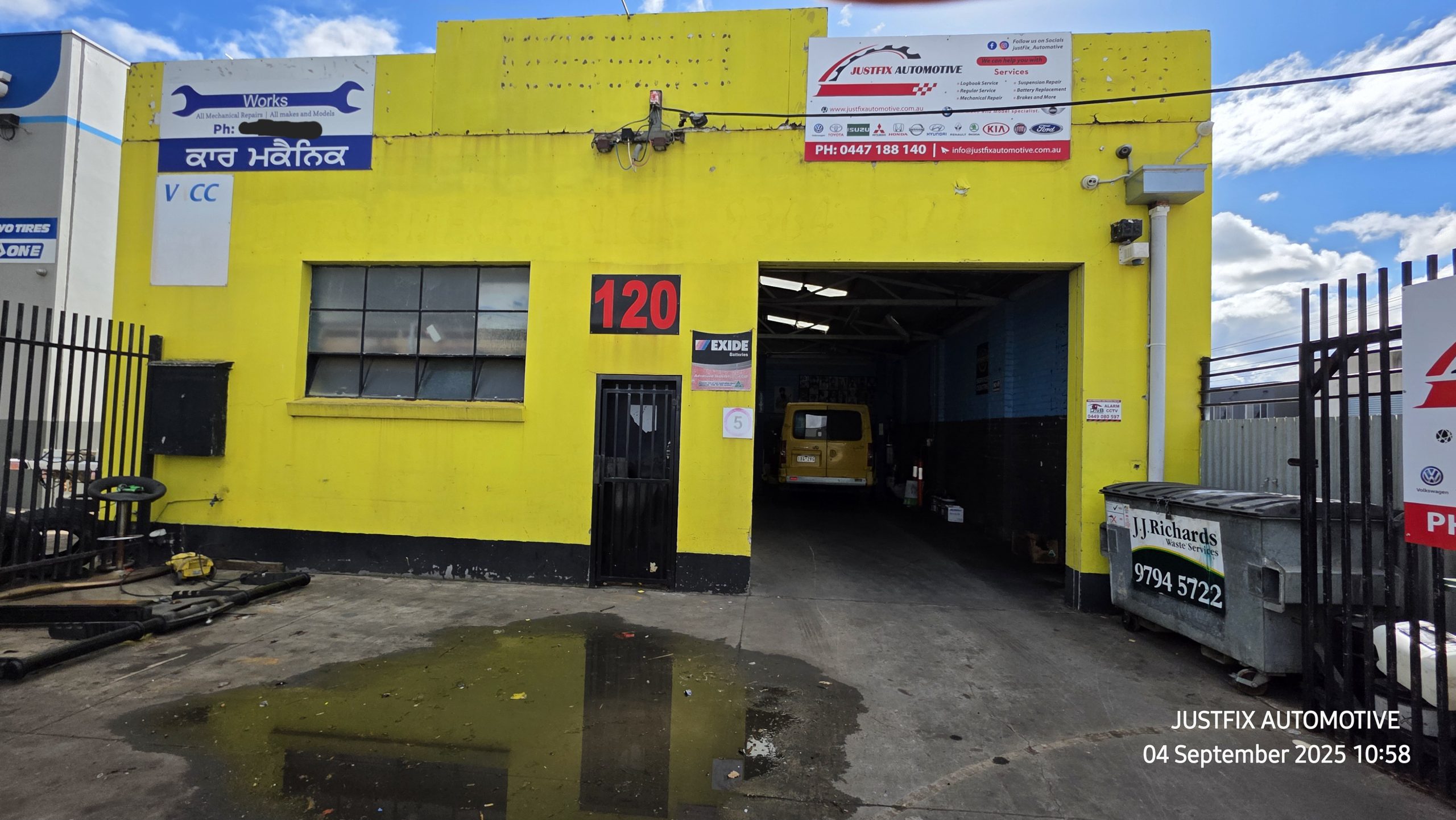
📍 Address: 120 Munro Avenue, Sunshine North VIC 3020
📞 Phone: (03) 9917 7920
Serving: Sunshine North, Sunshine West, Albion, St Albans, Deer Park, and Braybrook.
Our expertise includes recognizing specific car warning sounds that indicate urgent repairs.